
We use raw materials extracted from the earth in almost all of our technology, from smartphones to jet engines. These technologies, and the materials that make them, are critical to our ability to survive and thrive as societies. Global demand for these materials is growing rapidly as a result of our transition to green energy and increased reliance on digital technologies. Science and industry are urgently seeking more ethical and sustainable ways to mine vital raw materials, use them more efficiently, and recycle them effectively.
We hear about critical raw materials almost every day in our news feeds, but how do they actually fit into our lives? What are they? Why do we need them? Where do we get them from? And how will we get them in the future?
The Oxford University Museum of Natural History is currently developing an exhibition in collaboration with researchers across Oxford University from the Oxford EARTH Programme and the physical, life and social science departments. The exhibition will explore these issues and potential solutions to our need for critical raw materials.
What are critical raw materials?
Critical raw materials are those essential to key technologies but their supply may be limited, unsustainable or unethical. Critical raw materials tend to have unique chemical properties which make them difficult to replace in technology. Governments responsible for ensuring their populations have access to the resources they need designate a raw material as ‘critical’ when there is a risk that they won’t have enough. This is often because of political, environmental, or ethical concerns around the materials’ extraction. Or, because we don’t yet have the technology to locate them, extract them from the ground, or recover them through recycling. The UK government includes 34 raw materials on its designated critical list, but lists vary from country to country.
aluminium
antimony
bismuth
borates
cobalt
gallium
germanium
hafnium
helium
indium
iron
lithium
magnesite
magnesium
manganese
natural graphite
nickel
niobium
phosphorus
platinum
rare earth elements (REEs)
rhenium
rhodium
ruthenium
silicon
sodium
tantalum
tellurium
tin
titanium
tungsten
vanadium
zinc
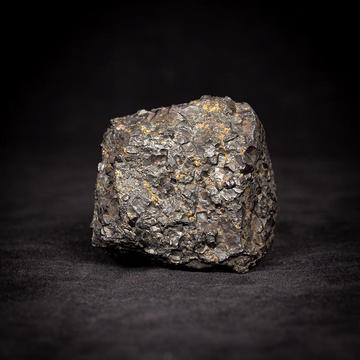
Ilmenite, titanium ore
Titanium makes aeroplanes light and strong.
Lepidolite, lithium ore
Lithium makes batteries last longer.
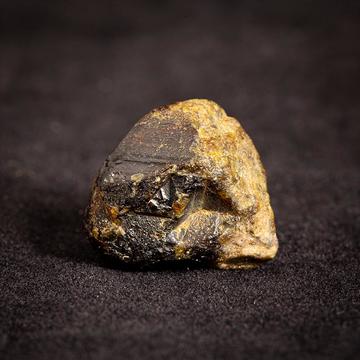
Bastnäsite, rare earth elements (REEs) ore
Rare earth elements like dysprosium help wind turbines generate electricity more effectively.
Demand for critical raw materials is growing rapidly
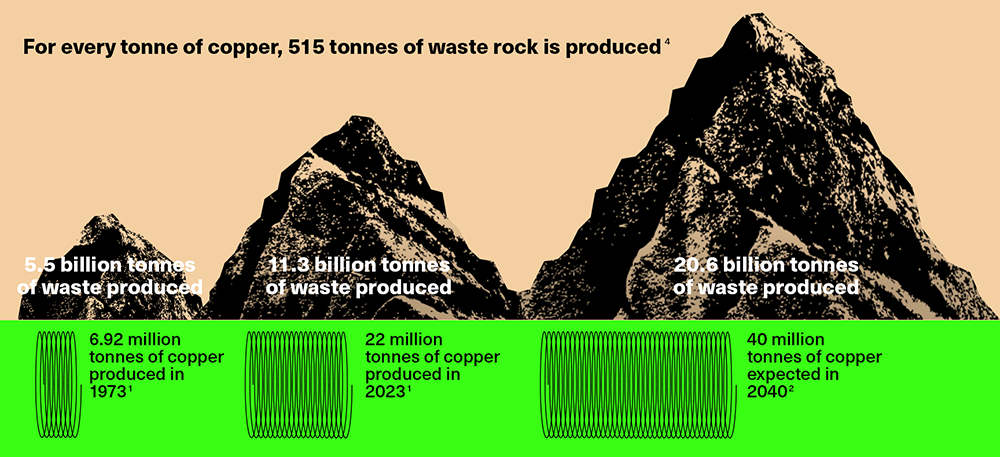
Copper
We need more copper each year to wire our technology and update our electrical grids. Our demand for copper is increasing much faster than it can be mined.
Cobalt
Cobalt, found in rechargeable batteries, is critical because two thirds of the global supply comes from the Democratic Republic of Congo, where labour practices can be exploitative and unsafe.
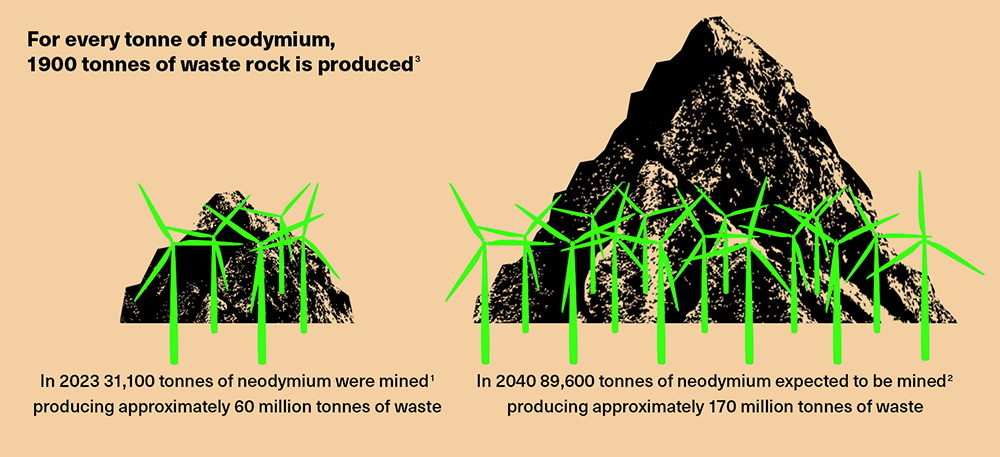
Neodymium
Neodymium makes wind turbines more efficient in generating power. The ore contains tiny amounts of the metal, so you need to mine a lot to get a little.
Most critical raw materials are extracted through mining, but they can also be recovered by recycling, or processing mine waste. Mining practices are often damaging to local communities and ecosystems. In order to protect people and environments, Oxford researchers are seeking to improve the ways that we source and process the materials we need. To reduce our dependency on critical raw materials, we need to design products more efficiently and expand second life uses, all while increasing our recycling capacity and reducing demand.
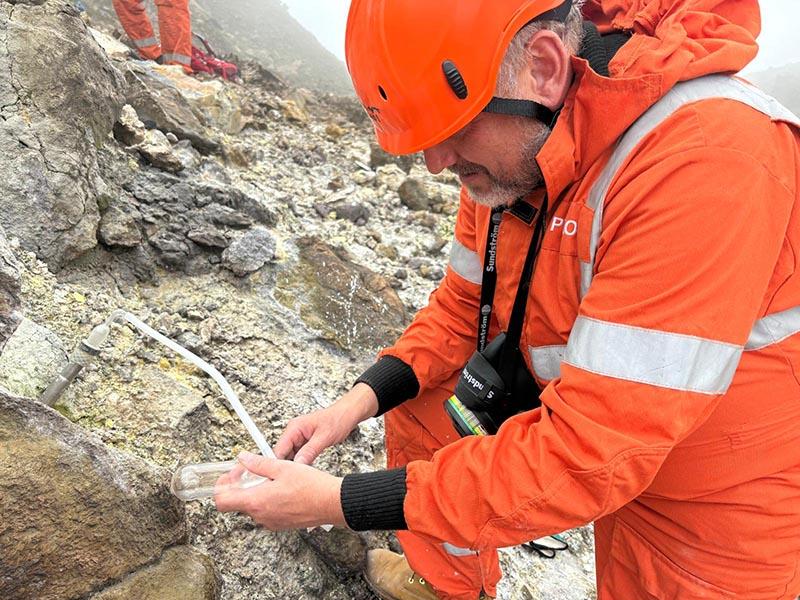
Researcher working in partnership with Oxford EARTH collecting samples of geothermal gases, a potential low land footprint source of critical raw materials.
From 13 June 2026, visit '34: The Critical Raw Materials Shaping Our Future' at the Oxford University Museum of Natural History to uncover the materials that power our daily lives, where they come from, and how we’ll source them in the future.
Visual identity by David Sudlow Design, infographics by Oxford University Museum of Natural History