

As Above, So Below
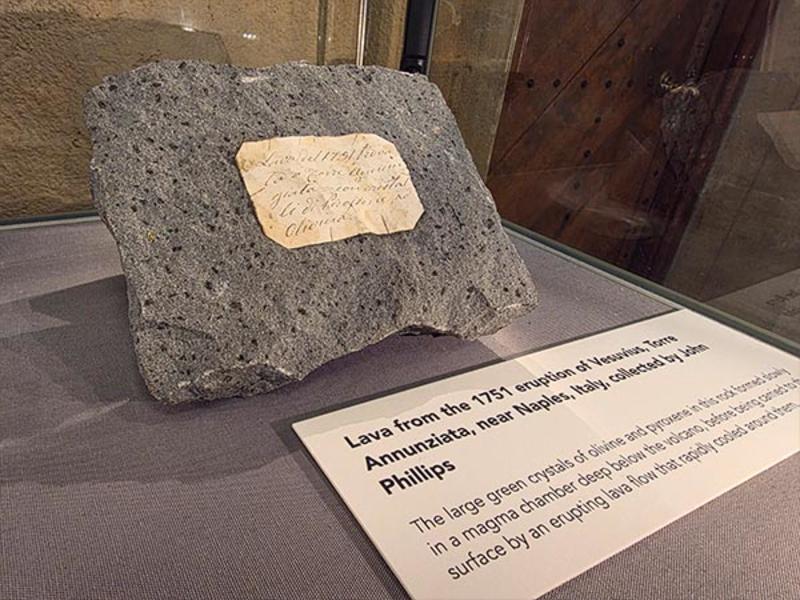
During the early years of the Museum, its first Keeper and Professor of Geology John Phillips (1800-1874) turned his geological knowledge towards the heavens and helped to establish Oxford as a hub for astronomy in the 19th century. Raised by his uncle, William Smith, now often referred to as the "father of English geology", Phillips applied observation and practical knowledge to interpreting rock layers, recognising the mark of slow geological processes.
By 1841, using the concept of geological time, he divided the past into the major eras of 'Palaeozoic', 'Mesozoic', and 'Caenozoic' that are still in use today.
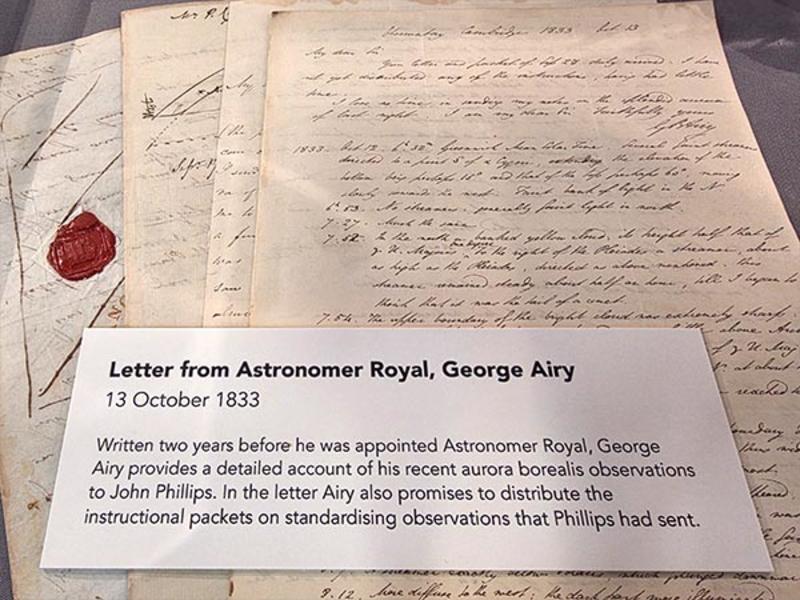
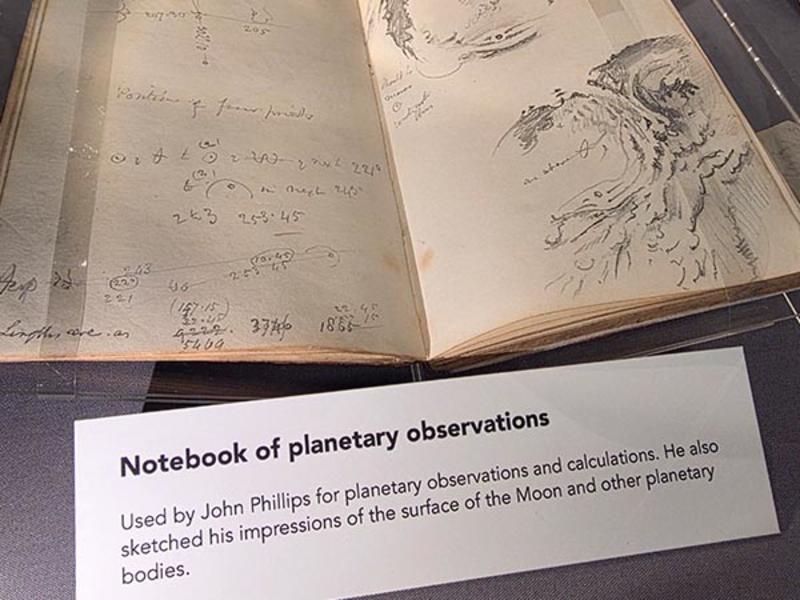
Having spent decades deciphering geological mysteries below, Phillips then looked to the stars above to ask if similar geological markers could help interpret his astronomical observations. He was instrumental in the installation of a 5½-inch Cooke refractor telescope in Oxford's Magdalen College, and commissioned a similar 6-inch telescope on the grounds of this Museum. He then exchanged observations through a wide network that included leading astronomers John Herschel and the Astronomer Royal, George Airy.
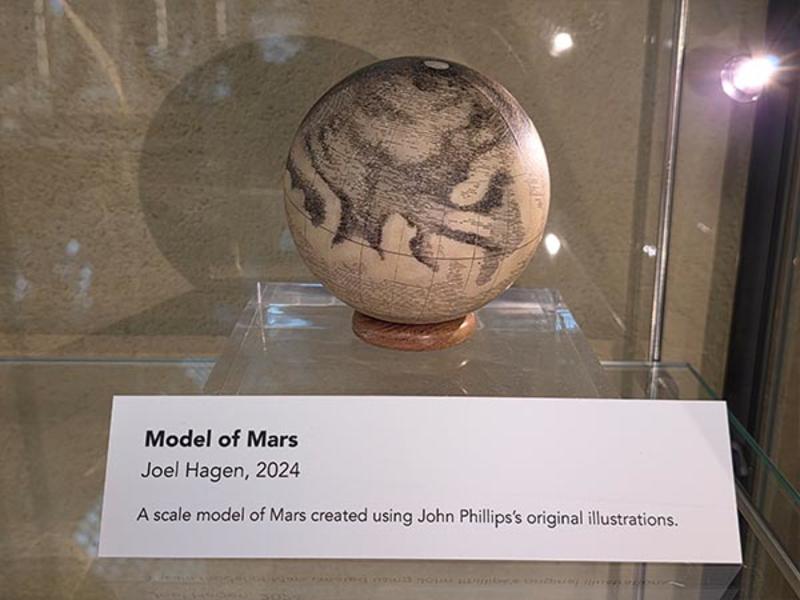
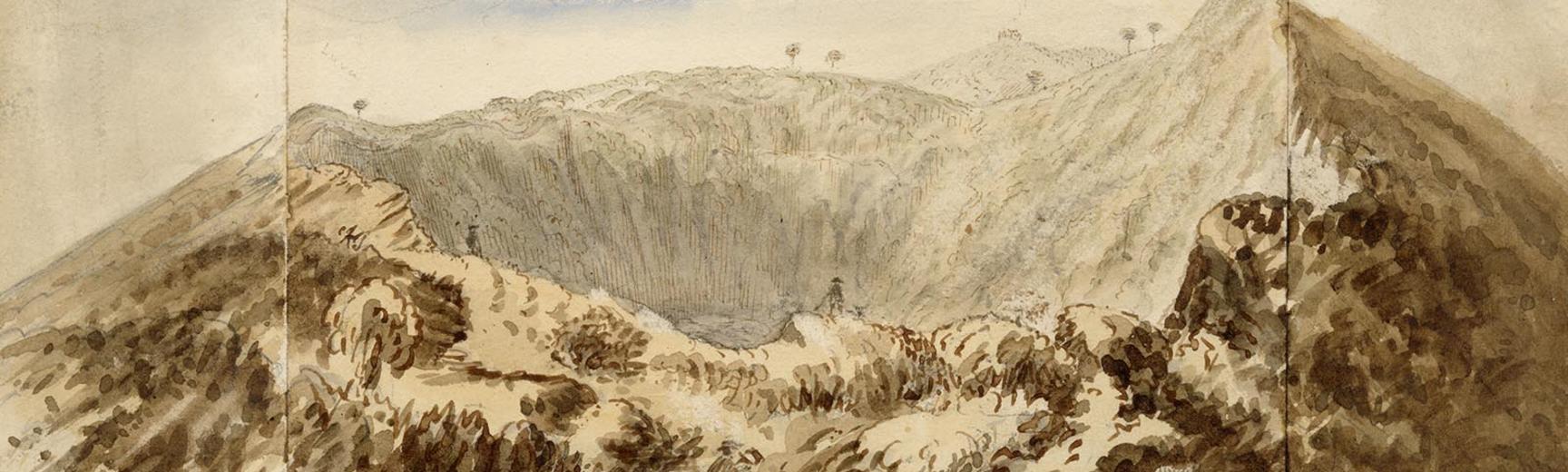
While 18th-century astronomy focused on measuring and categorising, in the 19th century recent developments in geology, chemistry and maths were applied to the understanding of heavenly bodies. Phillips was also aware of a new wave of astronomers using technology and innovation to advance the field. In 1853 he captured one of the earliest photographs of the Moon, using his knowledge of vulcanicity and glaciation he went on to draw parallels between lunar craters and volcanic activity, and between Martian snow and polar ice caps.
Phillips's contributions to astronomy are remembered today in the lunar and Martian craters that are named after him.
A selection of images from the case