


The Geology of Star Trek

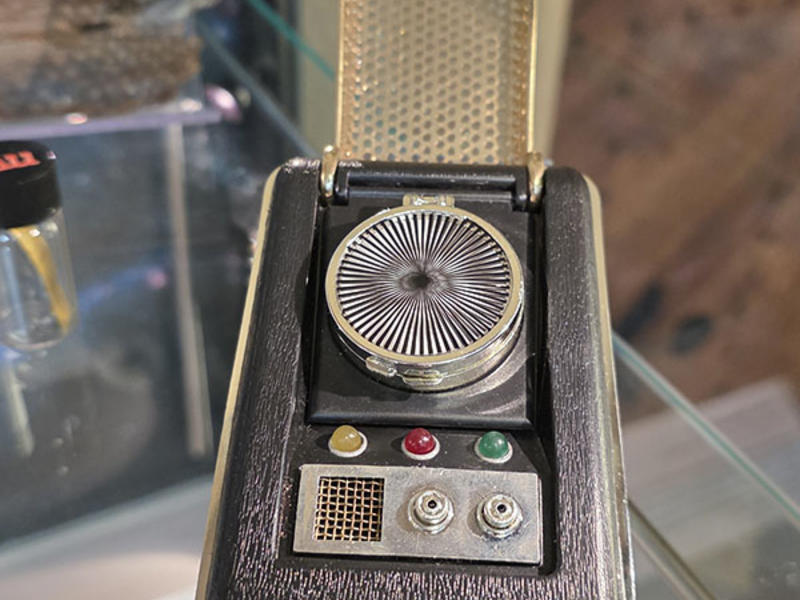
Starfleet communicators (Original Series)
Elements L-R: Silicon, beryllium, carbon, gold
Original Series communicators were handheld devices purportedly made of silicon, beryllium, carbon, and gold. These are all real elements, and all used in smartphones today. Despite its small size, the Starfleet communicator was capable of facilitating clear voice communication between a planet and a starship in outer space.
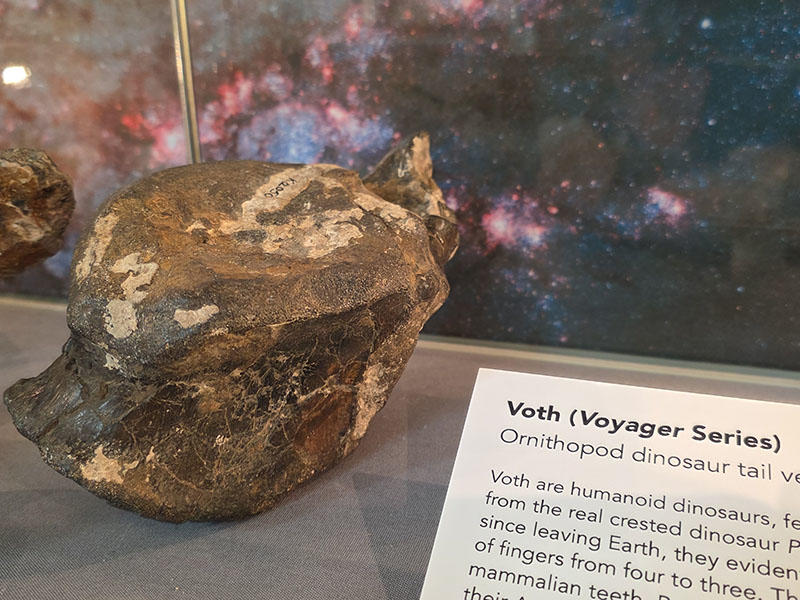
Voth (Voyager)
Ornithopod dinosaur tail vertebrae
Voth are humanoid dinosaurs, featured in ‘Distant Origin’, and descended from the crested dinosaur Parasaurolophus. In their 73 million years since leaving Earth, they evidently lost their tails and reduced their number of fingers from four to three. They also evolved opposable thumbs and mammalian teeth. Being descended from Parasaurolophus may explain their American accents however.
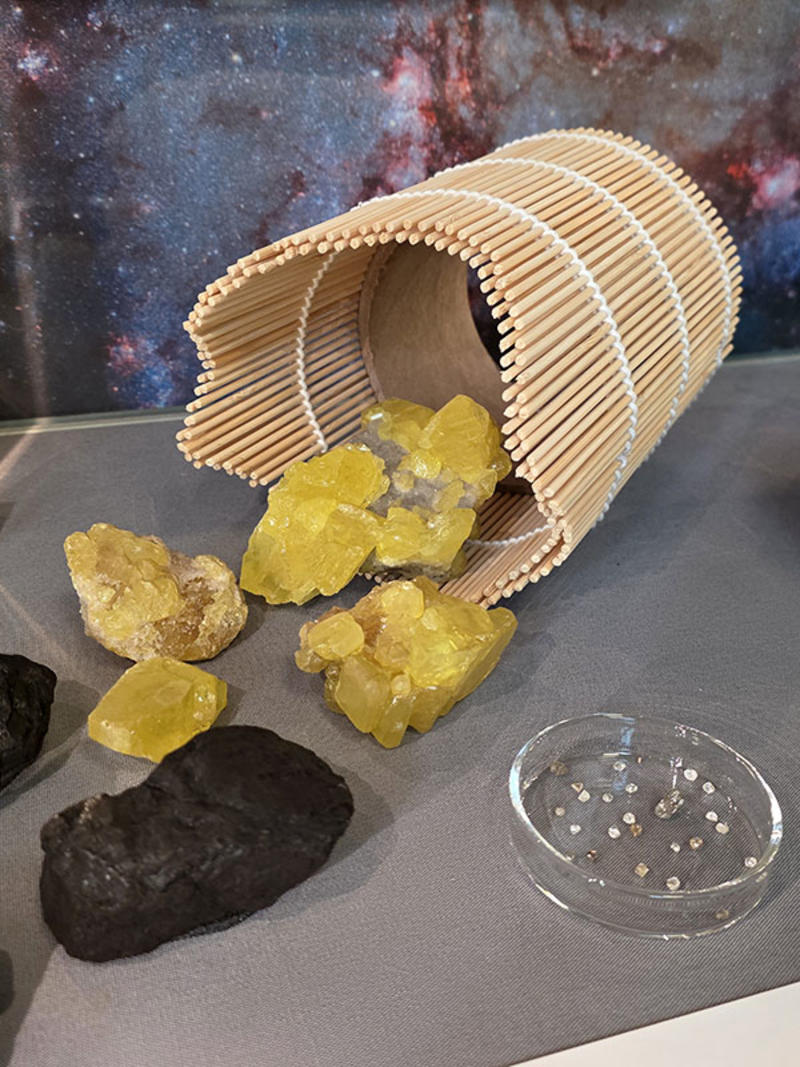
Sulphur cannon (Original Series)
Saltpetre, charcoal, sulphur, bamboo, diamonds
In ‘Arena’, Kirk and a Gorn captain make weapons out of raw materials. Kirk fashions a cannon out of bamboo, using sulphur, saltpetre and charcoal to create an explosive mixture. Experiments suggest that whilst the cannon may have fired, the bamboo would have exploded in Kirk’s hands, rather than shoot the diamond ‘cannonballs’.
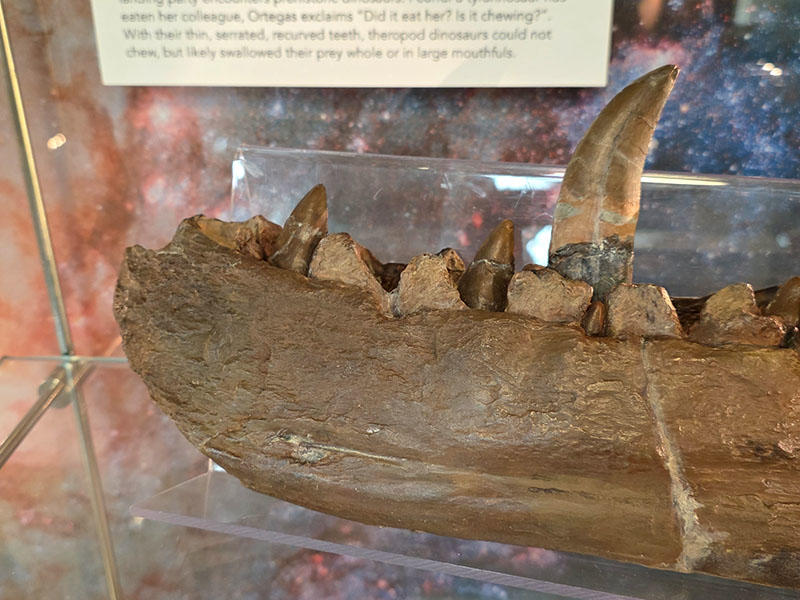
Cretaceous dinosaurs (Strange New Worlds)
Theropod jawbone (cast)
When Enterprise gets transported back in time, in ‘Valles Marineris’, the landing party encounters prehistoric dinosaurs. Fearful a tyrannosaur has eaten her colleague, Ortegas exclaims “Did it eat her? Is it chewing?”. With their thin, serrated, recurved teeth, theropod dinosaurs could not chew, but likely swallowed their prey whole or in large mouthfuls.
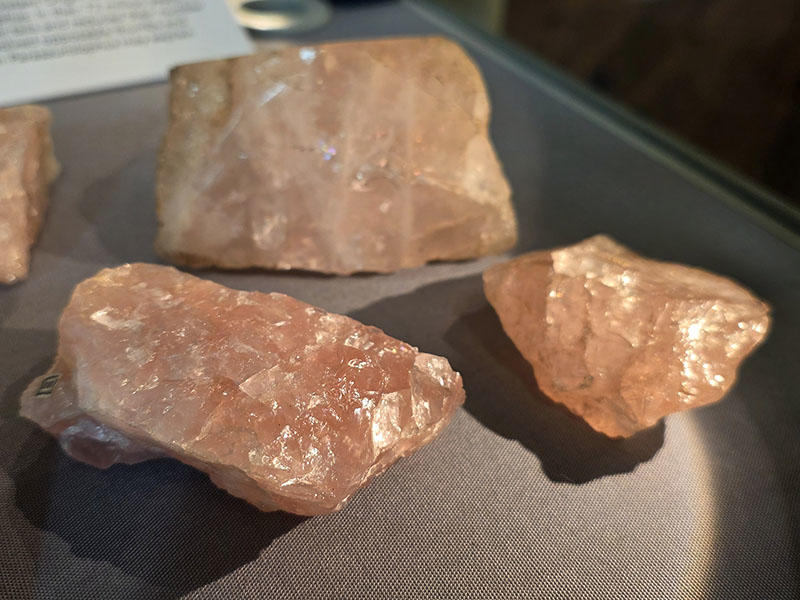
Dilithium crystals (Original Series)
Rose quartz
In its ‘crystalline mineral state’, dilithium is referenced in numerous Star Trek series as a critical stabilising component of warp cores. Dilithium is said to be an element, but it does not exist in the real world. The props used in the Original Series are made of quartz to give the dilithium a crystalline appearance.

